I am honored to have been chosen to be the inaugural Editor-in-Chief for Transportation Research Record: Journal of the Transportation Research Board. When the notice first came out that TRR was looking for its first editor-in-chief (EIC), I wasn’t sure about applying. But once I started reflecting on the role TRR has played in my career and the impact it has on professionals and scholars nationally and increasingly internationally, I was excited about the possibility.
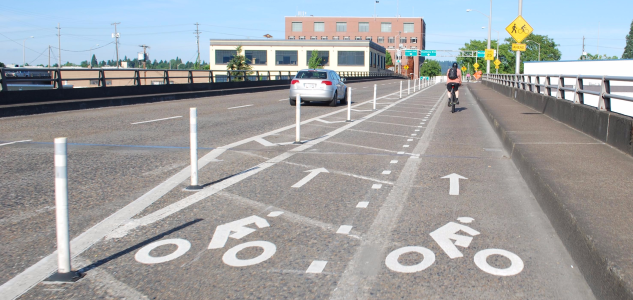
My very first peer-reviewed journal article was published in TRR based on research I did as an undergraduate student with my mentor, Dr. Dan Sperling, about the introduction of unleaded gasoline as a model of innovation (1988). That opportunity opened my eyes to the possibility of being a researcher and professor. After getting my master’s degree, I worked for public agencies in California, relying on research to do my work advancing air quality planning and regulations related to transportation. I was lucky to have employers that sent me to my first (and second) TRB Annual Meeting, where I brought back pre-prints of papers to share with colleagues. As a Ph.D. student, I presented at the Annual Meeting for the first time and published my second article in TRR, drawing on both my professional and academic work on employer-based trip reduction mandates. Part of my dissertation research on vehicle buy-back programs was also published in TRR. When I started as an assistant professor at Portland State University (PSU), I was inspired by an article in TRR by Professor Chris Nelson to start a new thread of research focused on bicycling. I published the results in TRR. It is my second-highest cited paper (Dill & Carr, 2003) and has shaped my career. Since then, even after tenure and promotion to full professor, I have continued to publish in TRR, most recently about drivers’ understanding of red bus lanes. I have done this because I want my research to reach a particular audience—practitioners who can use the findings to make better decisions, like I did early on in my career.
Many of you have also published in TRR and know the history of the journal. Others may wonder, “if the journal has been around for decades, why are you its first editor-in-chief”? Until recently, TRR only published papers that were peer-reviewed through the standing committees of TRB and presented at the Annual Meeting. In a sense, the committees served as volunteer editorial boards. In 2019, TRR made a major step by forming an editorial board, with associate and handling editors (a role I have been serving since that time). Papers could still come through the Annual Meeting process, though authors could also submit a paper directly to the journal at any time of the year. As Ann Brach, director of technical activities at TRB explained in the press release: “The appointment of the first TRR editor-in-chief is a significant milestone for our journal. The TRR underwent significant modernizations in terms of its workflow and online discoverability in 2018. The review structure of the journal content was also changed in 2019 with the creation of a brand-new editorial board of which Dill was an inaugural member.”
The opportunity to shape the future of TRR as EIC will allow me to apply my experience as a scholar and as director of a university transportation center to a new challenge—one in which I am personally and professionally invested. I am looking forward to working with the great TRR staff, Editorial and Advisory Boards, and TRB volunteers and leadership to enhance the journal’s role in improving our transportation system through high quality research. I officially start July 15. If you have ideas or questions about TRR, email me at trr-eic@pdx.edu.
 Jennifer Dill, Ph.D.